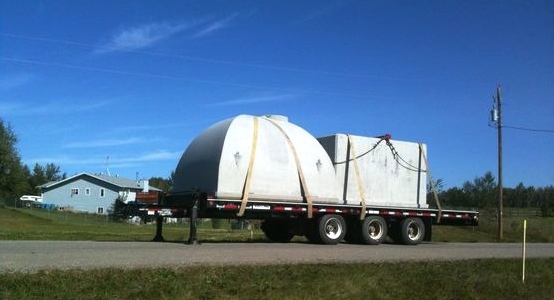
Cisterns are large tanks that are used to hold freshwater for a household. The tanks are buried underground to help regulate water temperature so that it stays cool in the summer and does not freeze during the winter. Water is brought in by truck on a regular basis. Much like in the case of a sewage system, the size of a cistern is heavily dependant on the size of the household.
Wastewater Solutions installs freshwater cisterns in assorted sizes. We offer a wide range of different pump and pressure systems to best suit your specific needs.
Common Questions
When would you use a cistern instead of a well?
There are several reasons why people opt to use a cistern. Some rural subdivisions are cistern-only and do not allow residents to dig wells. Cisterns are also used if there is no viable well water, or not enough viable well water for the property’s needs. Finally, some people simply prefer to use cisterns due to the quality of water.
Freshwater Cisterns FAQs
📍https://www.wastewatersolutions.net/services/freshwater-cisterns/
1. What is a freshwater cistern, and how does it work?
A freshwater cistern is a storage tank designed to hold clean, potable water for homes that are not connected to a municipal water supply. Water is typically delivered by truck and stored safely until it is needed. From there, a pump and pressure system distribute water throughout the home just like a standard plumbing system.
2. How is water delivered to a cistern?
Water is delivered by licensed water haulers who fill your cistern through a designated fill connection on your property. The process is quick and efficient, and delivery schedules can be set based on your household’s usage. Having a properly installed fill system ensures clean, contamination-free water delivery every time.
3. What size cistern do I need for my home?
The size of your cistern depends on several factors, including the number of people in your home, your daily water usage, and how often deliveries are scheduled. Larger households or properties in remote areas typically require bigger tanks. A proper assessment ensures you have enough storage capacity without overpaying for unnecessary volume.
4. Are cistern systems safe for drinking water?
Yes, cistern systems are safe for potable water when they are properly installed, maintained, and regularly cleaned. Water quality can be maintained through proper sealing, filtration, and periodic testing. Routine maintenance plays a key role in ensuring your water remains safe for everyday use.
5. What components are included in a complete cistern system?
A complete cistern system includes the storage tank, pump, pressure tank, plumbing connections, and often filtration or monitoring systems. These components work together to ensure consistent water pressure and reliable delivery throughout your home. Proper system integration is essential for long-term performance.
6. How often should a cistern be cleaned and maintained?
Cisterns should be inspected regularly and cleaned periodically to remove sediment and prevent bacterial buildup. The exact frequency depends on usage and water quality, but routine maintenance is essential for keeping the system functioning properly. Neglecting cleaning can lead to reduced water quality and system issues.
7. Do you install underground and above-ground cisterns?
Yes, both underground and above-ground cisterns can be installed depending on your property layout and preferences. Underground tanks are more common in colder climates because they are protected from freezing. The right option depends on your site conditions and long-term needs.
8. Can you upgrade or replace an existing cistern system?
Absolutely, older or inefficient cistern systems can be upgraded or replaced with modern, more reliable components. This may include installing a new tank, upgrading the pump system, or adding monitoring features. Upgrades can significantly improve water reliability and ease of use.
9. What maintenance does a cistern pressure system require?
The pressure system, including the pump and pressure tank, should be checked regularly to ensure proper operation. This includes monitoring pressure levels, inspecting connections, and servicing mechanical components when needed. Proper maintenance helps prevent unexpected water supply issues.
10. Do you offer cistern monitoring systems?
Yes, monitoring systems can be installed to track water levels and alert you when your cistern is running low. This helps prevent running out of water unexpectedly and allows for better planning of deliveries. Modern monitoring adds convenience and peace of mind for homeowners.